RetirementMoney Stories
How I manage my moneyA retirement plan that does not assume someone will buy the business
A 60-year-old small business owner in Chichester approaches retirement with a cautious realism. Rather than pinning his hopes on a lucrative sale of his business, he focuses on preserving his independence through careful record-keeping and a modest, structured approach to his personal savings and retirement planning.
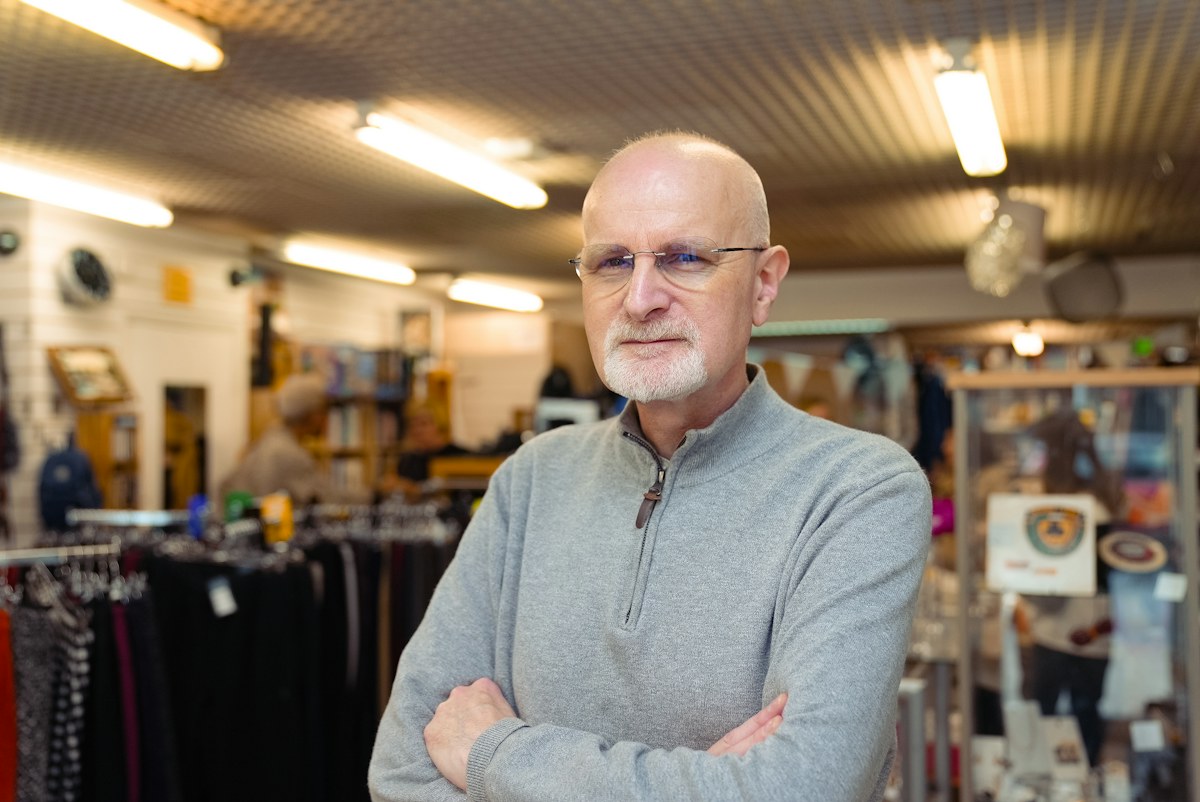
- NameToby
- Age60
- LocationChichester
- OccupationBusiness Owner
- Annual Income£72,300
- AccommodationOwn home no mortgage
- Relationship statusMarried
The reality of business valuation
As a 60-year-old business owner earning an annual income of £72,300, I have heard the stories of owners retiring on a massive windfall from a trade sale. I have no such illusions. My business has no confirmed purchaser and no realistic valuation that I can rely on, so I am planning my retirement around the assumption that I will be the one funding it. It is a sobering shift in perspective, moving from the dream of an exit bounty to the pragmatic reality of self-reliance.
Managing accessible assets
I keep a close watch on my £14,000 in accessible savings. It is not a fortune, but it represents a buffer against the unknown. Meanwhile, I am maintaining my £350 a month retirement saving habit, treating it with the same seriousness as a mortgage payment, even though I own my home outright. This habit has become the heartbeat of my financial life, a steady rhythm that reassures me even when the business side of things feels unpredictable.
Evaluating professional advice
I recently considered a professional review of my finances, estimated at £1,200. It is a significant sum, and I find myself debating whether the insight is worth the cost. I am tempted to reject it simply because it feels like an unnecessary expense, but I must evaluate whether this review could help me formalise a strategy for gradual withdrawal from my daily operations. If I spend the £1,200 now, will it prevent a much costlier mistake later? I have spent years as a DIY operator, yet the complexity of winding down a business feels like a new frontier where my usual instincts might fall short.
I have learned to value the stability of my own savings over the uncertain promise of a future business sale.
Thinking beyond the sale
I have started keeping a detailed notebook of my records, documenting the workflow and the business mechanics. If no one wants to buy the business, I need to know how to wind it down or delegate it in a way that doesn't consume my remaining years. It is about testing demand while preparing for the reality that the business may simply cease to be. There is a strange liberation in this shift; by stripping away the hope of a high-value sale, I am free to focus on the operational health of what I actually control rather than the phantom value of an asset that may not exist to an outsider.
Sustaining the momentum
My daily routine is still dominated by the business. Balancing the maintenance of operations with the preparation for a sunset phase is an exhausting juggling act. Every decision regarding equipment or client engagement is now filtered through the lens of longevity versus utility. I cannot afford to over-invest in growth if the exit horizon is only a few years away, yet I cannot allow the business to atrophy prematurely and lose its modest income-generating potential while I am still involved.
A quiet retirement plan
My retirement isn't going to be defined by a grand final act. Instead, it will be a gradual process of letting go. The uncertainty of the future is always present, and I am learning that my peace of mind comes from knowing what I have, rather than hoping for a market exit that may never arrive. The path ahead is not marked by a clear 'for sale' sign, but by the quiet accumulation of personal savings and the gradual, intentional shrinking of my professional footprint until I can finally step away entirely.
The stories on How I Manage My Money are personal experiences and general information. They are not personalised financial advice.