Career and incomeMoney Stories
How I manage my moneyThree working days and a retirement that happens in stages
At 64, Clive is an office administrator in Nottingham who finds himself at a career crossroads. While he contemplates shifting to a three-day working week, he must balance the potential reduction in his £23,400 annual income against his future retirement plans and the costs of newfound leisure time.
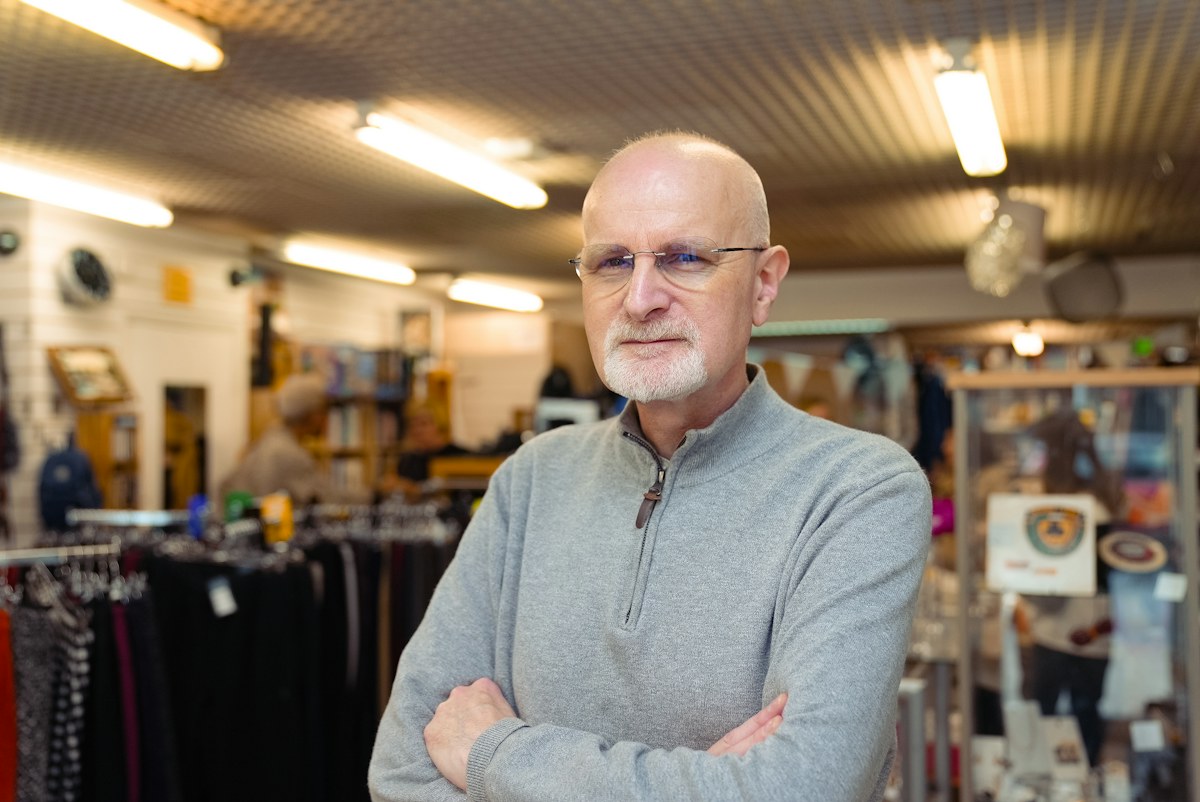
- NameClive
- Age64
- LocationNottingham
- OccupationOffice Administrator
- Annual Income£23,400
- AccommodationOwn home no mortgage
- Relationship statusMarried
The rhythm of the office clock
My desk in Nottingham has been my home for decades. At 64, the ticking of the wall clock feels different than it did when I was thirty. I am an office administrator, and while I have managed to clear my mortgage entirely, the idea of stopping work completely feels too abrupt. My current annual income of £23,400 provides a stable foundation, yet I am increasingly drawn to the idea of a phased transition.
Calculating the commuting trade-off
I have been looking at the numbers. Dropping down to three days a week would mean a reduction in my take-home pay, but it would also stop my daily trek into the office. I calculate a possible commuting saving of £150 a month. It is a helpful figure, but I am acutely aware that this sum does not fully offset the loss in earnings from two fewer days of labour. I need to be realistic about how much time is truly worth in financial terms.
The cost of freedom
If I secure these free days, I want to spend them volunteering. I have earmarked a £60 a month volunteering-travel budget to facilitate this. It seems like a modest expense, yet it highlights a hidden truth: retirement, even in stages, brings its own set of costs. I am not looking for a complete departure from my routine, just a more gradual exit.
I am looking for a soft landing rather than a sudden stop, but time away from the desk comes with its own price tag.
Investigating the pension puzzle
I need to contact my human resources department to request a formal pay illustration. Understanding the long-term pension effects is my next priority. Phased retirement is not a pension product itself, but rather a way to manage my output. I have to wait to see if my employer is open to this arrangement; nothing is guaranteed yet.
Facing the unresolved gap
There is a tension here between wanting more time for myself and maintaining my financial health. I am not ready to declare this solved. The maths remains a delicate balance, and I worry that reducing my hours might complicate my pension projections in ways I have not yet fully grasped. For now, the transition remains a work in progress, one day at a time.
The stories on How I Manage My Money are personal experiences and general information. They are not personalised financial advice.